
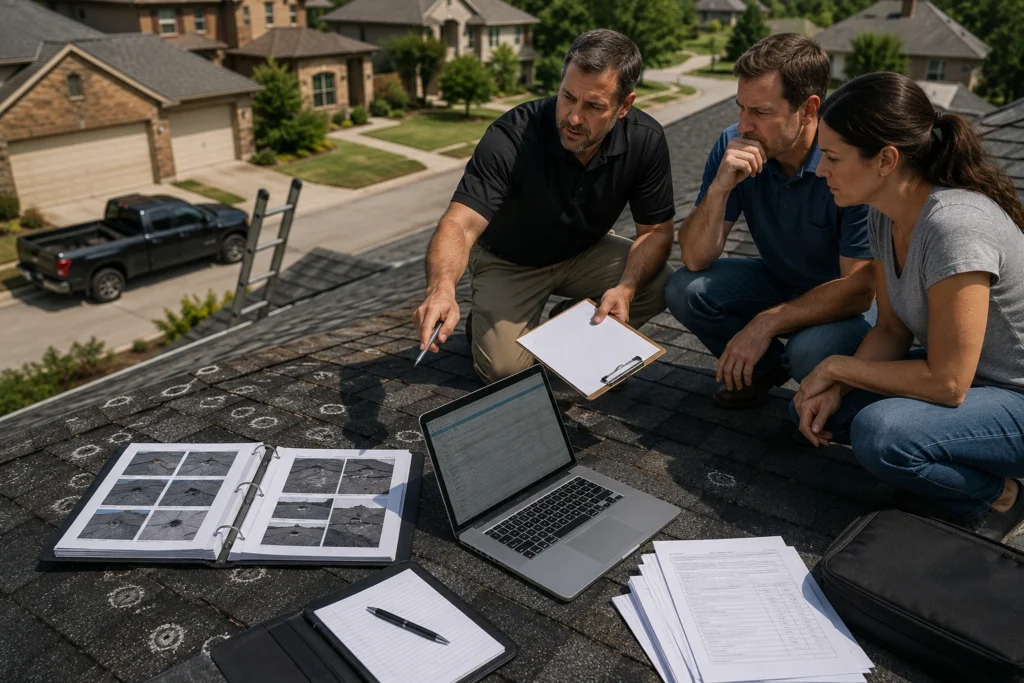
A denied roof claim feels personal. You pay premiums for years. Then a hailstorm tears through your neighborhood, dents gutters, damages shingles, creates leaks, and suddenly the insurance company says the damage is not covered. That frustration is exactly why so many homeowners start searching for answers after receiving a denial letter.
If you are wondering What to Do If Your Hail Claim Was Denied in Killeen, TX, the first thing to understand is this: a denial is not always the final answer. In many cases, denied claims are later reopened, supplemented, negotiated, or partially reversed after stronger evidence is presented. I have seen homeowners give up too early simply because they assumed the insurance company’s first decision could not be challenged. That is not always true.
The key is organization. Documentation. Timing. And understanding how hail claims actually work in Texas. This guide breaks down the exact steps homeowners should take after a denial, how to document roof damage properly, what mistakes hurt claims, and when professional help may become necessary.
Why Hail Claims Get Denied in Texas
Insurance companies deny hail claims for several reasons. Some are legitimate. Others become disputed because the inspection was incomplete or the evidence was weak. Understanding why the claim was denied helps determine the next move.
Insurance Company Says the Damage Is Cosmetic
This is one of the most common denial reasons. The insurer may agree hail hit the roof but claim the damage is only cosmetic and does not affect function. This often happens with:
- Metal roofing
- Gutters
- Roof vents
- Flashings
- Asphalt shingles with minor granule loss
The problem is that cosmetic damage sometimes becomes functional damage later. Tiny impacts can shorten roof lifespan, weaken protective surfaces, or create future leak points. That distinction becomes a major dispute area in Texas hail claims.
Insufficient Documentation
Weak documentation hurts claims fast.
If the file lacks:
- Close-up roof photos
- Storm-date evidence
- Contractor reports
- Interior damage pictures
- Repair estimates
- Maintenance records
…the insurance company may argue the damage cannot be fully verified. Unfortunately, many homeowners only take a few quick phone pictures after the storm. That is rarely enough during a dispute.
Claim Filed Too Late
Timing matters. Some homeowners wait months before filing because leaks are not immediately visible. Others notice damage only after another storm arrives.
Insurance companies may then argue:
- The damage worsened over time
- Maintenance issues contributed
- The storm cannot be verified
- The filing exceeded policy timelines
Quick action strengthens credibility.
Wear and Tear vs Storm Damage
Older roofs create disputes. The insurance company may say the roof deterioration came from:
- Aging
- Heat exposure
- Foot traffic
- Installation defects
- Lack of maintenance
Instead of hail. This becomes especially common with older asphalt shingle roofs throughout Texas neighborhoods exposed to years of intense sun and weather fluctuations.
Partial Approvals That Still Hurt Homeowners
Not every denial is a full denial. Sometimes carriers approve only minimal repairs while rejecting full replacement. That creates a different problem entirely.
The estimate may omit:
- Ridge caps
- Starter shingles
- Drip edge
- Flashings
- Ventilation components
- Matching materials
- Code upgrades
The result? Homeowners still face huge out-of-pocket expenses.
Stay Calm — A Denied Claim Is Not Always Final
This matters more than people realize. The strongest claim disputes are calm, organized, and evidence-driven. Emotional reactions rarely help negotiations.
understand the frustration. Truly. Roof damage creates stress fast. Water intrusion spreads. Contractors start calling. Temporary repairs cost money. Meanwhile the insurance company says no. But panic leads to mistakes. Instead, focus on building a stronger case.
Many denied claims are later reopened because:
- New evidence was submitted
- A second inspection revealed overlooked damage
- Better documentation clarified the issue
- Independent experts challenged the findings
- Missing scope items were identified
The goal is not to argue emotionally. The goal is to prove the damage clearly and professionally.
Review the Denial Letter Carefully
Do not skim the denial letter. Read every line. The exact wording matters because it reveals the insurance company’s reasoning.
Common Denial Phrases
Watch for phrases like:
- “No functional damage observed”
- “Mechanical damage”
- “Normal wear and tear”
- “No storm-created opening”
- “Damage inconsistent with hail”
- “Deterioration due to age”
These phrases shape the entire dispute process. For example, “wear and tear” requires a different response strategy than “cosmetic damage only.”
Identify What Was Missing
Ask yourself:
- Did the adjuster inspect every roof slope?
- Were soft metals examined?
- Did they inspect gutters and flashing?
- Was attic damage evaluated?
- Were detached structures included?
- Did they document collateral damage?
Incomplete inspections happen more often than homeowners realize. Some inspections last less than 20 minutes. That is not always enough for a severe hail event.
Compare the Report to Actual Roof Conditions
Now compare the denial to the real-world damage.
Do you see:
- Granule loss?
- Creased shingles?
- Dents in vents?
- Gutter impacts?
- Broken tile corners?
- Water intrusion?
Photographic evidence becomes incredibly important here.
Get a Professional Roof Inspection Immediately
This step changes everything. A strong independent inspection can completely reshape the direction of a denied claim.
Why Independent Inspections Matter
Insurance adjusters work for the carrier. Independent roofing professionals, inspectors, or public adjusters work from a different perspective. Their role is to document the actual condition of the property thoroughly.
A proper inspection may identify:
- Functional damage
- Missed roof slopes
- Code issues
- Hidden leaks
- Collateral hail impacts
- Improper prior scope calculations
That information becomes powerful during disputes.
What a Proper Hail Inspection Should Include
A quality inspection should contain far more than a few photos.
Look for:
| Inspection Element | Why It Matters |
| Test squares | Helps measure hail impact frequency |
| Close-up photos | Documents actual shingle damage |
| Soft metal analysis | Supports hail event verification |
| Roof slope mapping | Shows full damage distribution |
| Collateral damage review | Strengthens storm evidence |
| Interior inspection | Identifies hidden leak issues |
| Moisture readings | Detects unseen water intrusion |
Professional inspections create structure. Structure creates leverage.
Commonly Missed Areas During Insurance Inspections
Some adjusters focus only on shingles. That is a mistake.
Hail damage frequently appears on:
- Ridge caps
- Roof vents
- Flashings
- Downspouts
- Gutters
- HVAC fins
- Window screens
- Detached garages
- Fences
Collateral damage often helps validate the severity of the storm event itself.
How to Document Hail Damage for a Reopened Claim
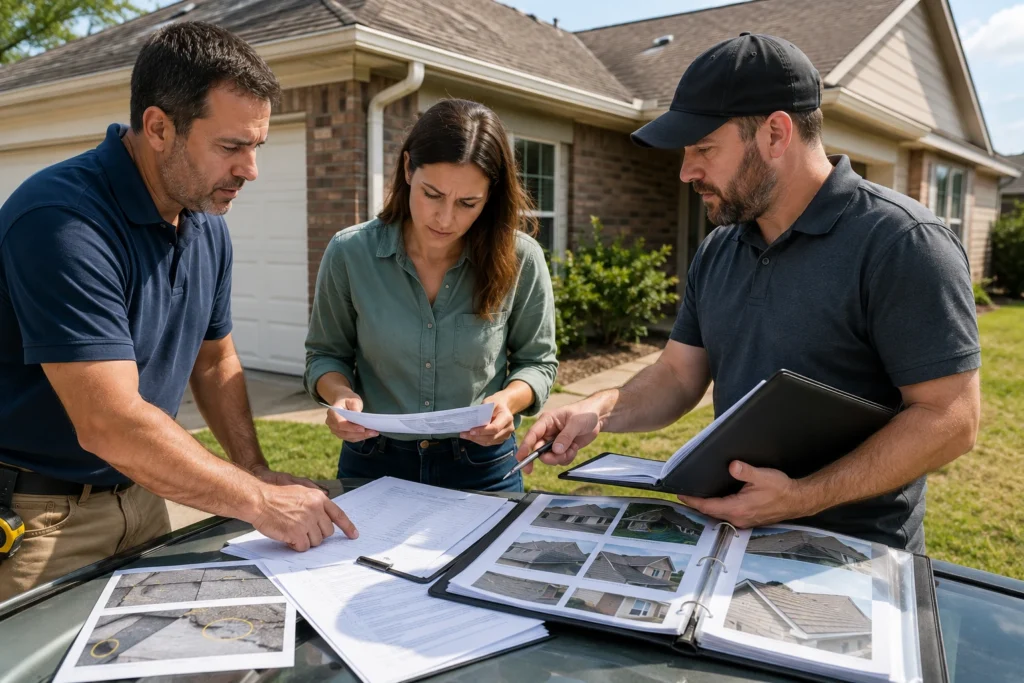
Good documentation wins disputes. Not loud arguments. Not angry emails. Evidence. That is the difference.
Take Wide-Angle and Close-Up Photos
Both matter. Wide shots establish location and context. Close-ups show actual damage details.
Photograph:
- Every roof slope
- Gutters
- Flashings
- Vents
- Skylights
- Water stains
- Ceiling leaks
- Exterior siding
- HVAC equipment
Take photos in good lighting whenever possible.
Gather Storm-Date Evidence
The insurance company may question when the damage occurred.
Strengthen your timeline using:
- NOAA storm records
- Local hail reports
- Neighbor claims
- Weather service data
- Contractor observations
The more consistent the timeline, the stronger the claim file becomes.
Natural weather documentation can also support disputes involving storm severity. You can reference resources from the National Weather Service when gathering storm history information.
One overlooked part of strengthening a denied claim is understanding How to Document Hail Damage for an Insurance Claim properly from the beginning. Detailed inspection photos, organized repair records, weather reports, and contractor assessments create a much stronger position during disputes. Some roofing professionals even use advanced evaluation methods similar to interferometry to analyze surface irregularities and material distortion during technical inspections, especially when subtle impact damage becomes difficult to identify during standard visual reviews.
Organize Your Claim File
Messy records slow everything down.
Create folders containing:
- Photos
- Estimates
- Inspection reports
- Denial letters
- Emails
- Repair invoices
- Temporary mitigation receipts
- Claim numbers
- Call logs
Simple organization makes a huge difference during negotiations.
Use Consistent File Naming
This sounds small. It is not. Clear file names improve credibility and speed up reviews.
Examples:
- FrontSlope_HailImpact_March12
- GarageLeak_Ceiling_March13
- WestGutter_Dents_March12
- AtticMoisture_Inspection_March14
Organized evidence creates professional pressure.
Request a Second Inspection From the Insurance Company
Reinspections sometimes reverse denials. Seriously. The second adjuster may notice issues the first inspection missed entirely.
Why Reinspections Can Change Outcomes
Several things improve during a second inspection:
- More documentation exists
- Contractors may attend
- Additional damage becomes visible
- Weather evidence is stronger
- Scope issues are identified
Some homeowners in Killeen have seen completely different conclusions after a reinspection. That happens more than people think.
Prepare Before the Reinspection
Do not “wing it.” Preparation matters.
Before the inspection:
- Organize your photos
- Print inspection reports
- Create a damage checklist
- Mark visible impact areas
- Have your contractor present
- Review prior denial language
Professional preparation changes the tone of the meeting immediately.
Mistakes to Avoid
Avoid these common problems:
- Arguing emotionally
- Interrupting constantly
- Exaggerating damage
- Providing incomplete records
- Missing appointments
- Making unsupported accusations
Keep discussions factual and calm. That approach usually works better.
Understanding Supplements After a Denied or Underpaid Claim
Supplements are incredibly important in Texas roof claims. Yet many homeowners do not understand them.
What Is a Supplement?
A supplement is a request for additional claim payment based on missing or newly discovered damage.
This often occurs when:
- The initial estimate was incomplete
- Hidden damage appeared during repairs
- Code upgrades were omitted
- Roofing materials require additional components
Supplements are common. Legitimate claims often evolve during repairs.
Common Items Insurance Companies Miss
Missing scope items can become expensive fast.
Frequently overlooked components include:
- Starter shingles
- Drip edge
- Ice and water barriers
- Ridge vents
- Flashings
- Pipe jack replacements
- Decking damage
- Matching requirements
One missing line item may affect the entire roof system.
Why Supplements Matter in Texas
Texas weather creates aggressive roof conditions. Heat exposure, UV breakdown, storm frequency, and ventilation requirements all influence roofing performance. Older roofs may also trigger local code compliance upgrades during replacement. Those details matter financially.
What to Do If the Insurance Company Still Refuses to Pay
Sometimes disputes continue even after reinspections. At that point, escalation options may become necessary.
Consider the Appraisal Process
Many policies contain appraisal clauses.
Appraisal is a dispute resolution method where:
- The homeowner selects an appraiser
- The insurance company selects another
- A neutral umpire helps resolve disagreements
This process can sometimes settle valuation disputes without full litigation. Policy wording matters enormously here.
File a Complaint With the Texas Department of Insurance
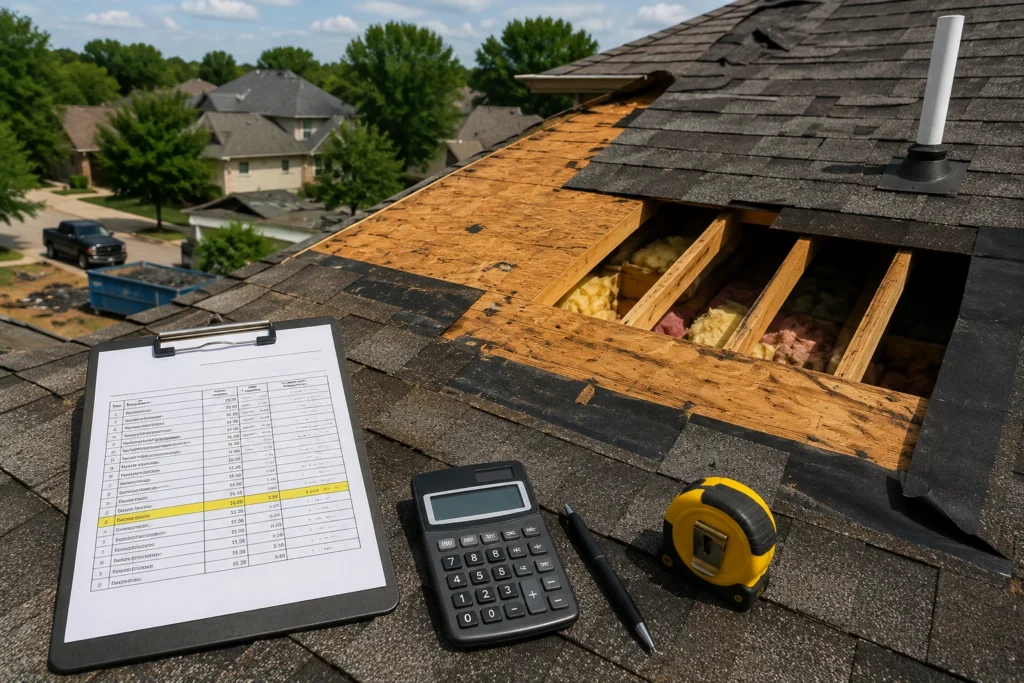
Homeowners may also file complaints when they believe claim handling was improper.
This may apply when there are concerns involving:
- Delayed communication
- Unfair handling
- Incomplete explanations
- Repeated inspection problems
The Texas Department of Insurance provides complaint guidance and consumer resources. Documentation remains critical during this process.
When Legal Action May Become Necessary
Not every case reaches this stage.
But some disputes involve:
- Significant underpayment
- Bad faith allegations
- Severe delays
- Improper denial handling
At that point, legal consultation may become appropriate. Strong documentation still drives the case.
How a Public Adjuster Can Help With a Denied Hail Claim
This is where many homeowners start exploring professional representation. Especially after repeated denials.
Public Adjuster vs Insurance Adjuster
The difference matters.
| Role | Who They Represent |
| Insurance Adjuster | Insurance company |
| Public Adjuster | Policyholder |
That distinction changes priorities completely.
What Public Adjusters Actually Do
A public adjuster may assist with:
- Policy review
- Damage documentation
- Scope analysis
- Evidence organization
- Claim negotiation
- Reinspection support
- Supplement preparation
The goal is to present the claim professionally and thoroughly. Texas homeowners can review licensing information and consumer guidance through the Texas Department of Insurance Public Adjuster Information Page.
Situations Where Hiring a Public Adjuster Makes Sense
Not every claim needs one.
But professional help may become valuable when:
- The roof loss is large
- The denial repeats multiple times
- The claim becomes technical
- Commercial roofing is involved
- Complex scope disputes exist
- Time pressures increase
Severe hail claims often become document-heavy very quickly.
Questions to Ask Before Hiring One
Always ask:
- Are you licensed in Texas?
- What experience do you have with hail claims?
- How are fees structured?
- How involved are you during negotiations?
- Have you handled claims in Killeen before?
Local storm experience matters more than flashy advertising.
Warning Signs Your Claim Is Being Undervalued
Some warning signs appear early. Pay attention to them.
Extremely Fast Denials
If the inspection lasted 15 minutes and the denial arrived immediately, that may deserve closer review.
Missing Roof Components
Watch estimates carefully. Missing line items can signal incomplete scope development.
No Attic or Interior Inspection
Interior evidence often supports roof-related water intrusion claims. Skipping those areas weakens the investigation.
Generic Denial Language
Some denial letters contain vague wording with minimal explanation. Detailed claim analysis should produce detailed explanations.
Ignored Contractor Evidence
If contractors submitted extensive documentation that was never addressed, additional escalation may be necessary.
Preventing Future Hail Claim Problems
Preparation reduces future claim stress dramatically. Especially in Texas.
Schedule Regular Roof Inspections
Annual inspections help establish roof condition history before storms occur. That timeline becomes valuable later.
Keep Maintenance Records
Save:
- Repair invoices
- Inspection reports
- Warranty paperwork
- Roof age documentation
Good records strengthen credibility.
Consider Impact-Resistant Roofing
Some homeowners upgrade to impact-resistant shingles after major storms.
Benefits may include:
- Better hail resistance
- Longer lifespan
- Potential insurance discounts
- Improved durability
Not every policy offers discounts, but many carriers consider them favorably.
Store Digital Records in the Cloud
Cloud storage protects critical files during emergencies.
Store:
- Roof photos
- Policies
- Estimates
- Claim communications
- Receipts
This becomes incredibly useful during future disputes.
Understand Your Coverage Before Storm Season
Most homeowners never read their policy until after damage happens. That creates surprises.
Review:
- Deductibles
- Exclusions
- Cosmetic damage clauses
- Depreciation language
- Matching limitations
Understanding the policy beforehand creates better expectations later.
Why Homeowners in Killeen Often Struggle With Hail Claim Disputes
Killeen experiences intense weather patterns. Fast-moving Texas storms can create widespread roofing damage within minutes. That volume creates pressure on insurance systems, contractors, inspectors, and homeowners all at once. At the same time, older roofing systems throughout Killeen neighborhoods may already show signs of aging before hail arrives. Insurance companies sometimes use that pre-existing wear argument during disputes. Another challenge involves inspection volume.
After severe storms, adjusters may inspect dozens of homes rapidly. Fast inspections increase the chance of missed damage, incomplete notes, or inconsistent scope development. That is one reason why homeowners searching What to Do If Your Hail Claim Was Denied in Killeen, TX often feel overwhelmed. The process becomes technical quickly. But organization changes outcomes.
Final Thoughts
A denied hail claim feels discouraging. I understand that. But denial does not always mean defeat. Homeowners who approach disputes strategically usually place themselves in a much stronger position than those who react emotionally or abandon the process too early.
If you are researching What to Do If Your Hail Claim Was Denied in Killeen, TX, focus on the fundamentals first:
- Get independent inspections
- Gather strong documentation
- Organize evidence carefully
- Review the denial language closely
- Request reinspections when appropriate
- Understand supplements and policy rights
- Escalate professionally when necessary
The strongest claims are rarely the loudest. They are the best documented. And in many cases, persistence backed by clear evidence creates opportunities homeowners never realized they had after the original denial arrived.
FAQs
Yes. Many denied hail claims are reopened after homeowners provide stronger documentation, inspections, or additional storm evidence.
Policy deadlines vary, but homeowners should act quickly after receiving the denial letter to avoid further complications.
Absolutely. Independent inspections often identify damage that was overlooked during the original insurance inspection.
Photos, inspection reports, weather records, contractor estimates, and repair invoices all help support disputes.
Yes. Older roofs can still qualify if the damage was caused by a covered storm event rather than normal aging.
You may still challenge the decision if the impacts affect roof performance, lifespan, or waterproofing ability.
Yes. Public adjusters help document damage, review policies, organize evidence, and negotiate with insurers.
A supplement is a request for additional payment when damage or missing repair items were not included in the original estimate.
Yes. Small impacts can weaken roofing materials and eventually allow water intrusion over time.
Avoid emotional arguments, missing deadlines, poor documentation, and delaying inspections after storm damage.