
Storm season in Texas moves fast. One night of hail can leave an entire neighborhood scrambling for roof inspections, emergency tarps, contractor appointments, and insurance claim paperwork. Then the estimates start arriving. And this is where many homeowners discover a frustrating reality: the first insurance scope is often incomplete. That is exactly why understanding Hail Damage Claim Supplements: What Carriers Miss in Their Scope matters so much.
I have seen homeowners assume the carrier’s first estimate must be final. It usually is not. Missing line items, overlooked roof components, code upgrades, and underpriced labor charges happen constantly in hail claims. Some omissions are accidental. Others stem from rushed catastrophe inspections or overly simplified estimating practices. Either way, the homeowner often ends up caught in the middle. This is where strong Xactimate expertise changes everything.
A detailed supplement backed by accurate measurements, proper documentation, and precise line-item estimating can dramatically improve claim outcomes. In many cases, supplements uncover thousands of dollars in missed repairs. That difference matters when your roof, interior, gutters, flashing, and ventilation systems are all involved. For property owners in Texas, especially in storm-heavy regions like Killeen, understanding supplements is no longer optional. It is part of protecting your investment.
Understanding What a Hail Damage Claim Supplement Really Is
A supplement is not a brand-new insurance claim. It is an adjustment to the existing claim scope after additional damage, missing items, or pricing inaccuracies are discovered. Supplements are extremely common in roofing claims because many forms of damage cannot be fully identified during the first inspection.
Think about it this way. An adjuster may spend less than an hour inspecting a property after a major storm event. During catastrophe seasons, carriers process massive volumes of claims quickly. Time pressures increase. Inspections become faster. Important details sometimes get missed.
That does not automatically mean bad intent. But it absolutely creates incomplete scopes. A supplement helps correct those missing pieces.
Common Reasons Supplements Become Necessary
| Problem Found | Why It Matters |
| Missing roofing components | Prevents full restoration |
| Incorrect labor pricing | Creates contractor payment gaps |
| Hidden decking damage | Structural concerns remain unresolved |
| Code upgrades omitted | Repairs may fail inspection |
| Interior moisture damage missed | Long-term deterioration risk |
| Incorrect roof measurements | Material shortages and underpayment |
Many homeowners do not realize supplements are a normal part of the insurance process. Contractors, public adjusters, and experienced estimators submit them regularly. Especially after hail events.
Why Xactimate Expertise Matters So Much
Insurance estimating is not simply about writing numbers on paper. Every line item matters. Most carriers rely heavily on Xactimate, which is one of the most widely used estimating platforms in the property claims industry. Contractors, public adjusters, and insurance companies often work from the same software platform, but experience levels vary dramatically. And that difference shows up in the final scope.
An inexperienced estimate might include:
- Basic shingle replacement
- Simple labor charges
- Minimal accessory items
- Generic disposal fees
An experienced Xactimate estimate digs deeper. It accounts for actual roofing complexity, safety requirements, steep charges, flashing systems, ventilation components, code compliance, detach-and-reset operations, waste calculations, and regional pricing differences. That is where real expertise becomes visible.
What Strong Xactimate Estimators Understand
Roofing System Complexity
Modern roofs are systems, not just shingles. Ridge caps, starter rows, underlayment, drip edge, flashing, and ventilation all work together.
Local Pricing Variations
Material and labor costs fluctuate heavily across Texas markets.
Code Compliance
Municipal code requirements can significantly affect scope pricing.
Safety Requirements
Steep roofs, multi-story access, and complex structures increase labor difficulty.
Hidden Damage Patterns
Experienced estimators know where hail and moisture damage often hide.
That experience becomes extremely important in places like Killeen, where severe storms routinely create widespread roofing losses.
The Most Common Items Carriers Miss in Their Scope
This is where supplements often uncover major differences. Many initial carrier scopes focus primarily on visible roof replacement. But roofing systems involve far more than shingles alone. Here are some of the most commonly missed items.
Roofing Components Frequently Overlooked
Starter Shingles
Starter rows help create wind resistance along roof edges. They are essential for proper installation. Yet they are commonly omitted or undercounted.
Ridge Caps
Ridge materials frequently sustain hail impacts differently from field shingles. Some scopes overlook them entirely.
Drip Edge
Texas code requirements may mandate drip edge installation during reroofing projects even if none existed previously.
Flashing Components
Flashing protects vulnerable roof penetrations and transitions. Damage or removal often requires replacement.
Common flashing items include:
- Pipe jack flashing
- Chimney flashing
- Step flashing
- Valley metal
- Counter flashing
Ventilation Systems
Many estimates overlook damaged ventilation components, including:
- Ridge vents
- Box vents
- Turbine vents
- Powered attic fans
Missing ventilation repairs can create long-term attic moisture issues.
Steep and High Roof Charges
This category creates frequent disagreements.
Steep roofs require:
- Additional labor
- Increased safety measures
- Slower installation pace
- Specialized equipment
High roof access creates similar challenges. Yet many initial scopes fail to include proper steep or high charges. Contractors then face major labor shortages within the estimate. That gap often becomes a supplement issue later.
Detach and Reset Items Carriers Often Miss
Roofing projects involve far more than roofing materials. Various property components must sometimes be temporarily removed and reinstalled during repairs.
Commonly Missed Detach-and-Reset Items
- Gutters
- Solar panels
- Satellite dishes
- HVAC line sets
- Window screens
- Fence sections
- Patio covers
- Exterior lighting
If these items are ignored during estimating, contractors may face unpaid labor costs during repairs.
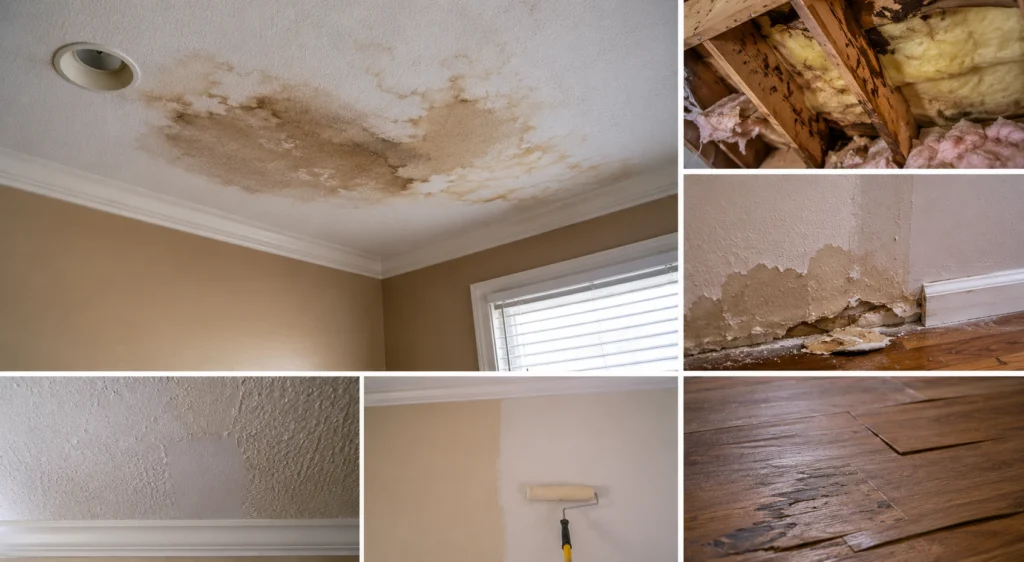
Interior Damage Frequently Gets Underestimated
Hail claims are not always limited to roofs.
Water intrusion often creates secondary interior damage that appears later.
This may include:
- Ceiling staining
- Insulation saturation
- Drywall swelling
- Texture damage
- Paint blending issues
- Flooring damage
Texture matching becomes especially important. Small ceiling repairs rarely blend perfectly into existing textures without larger repair areas. Experienced supplement estimators understand this. Inexperienced scopes often underestimate it badly.
Hidden Damage Appears After Tear-Off More Often Than Homeowners Realize
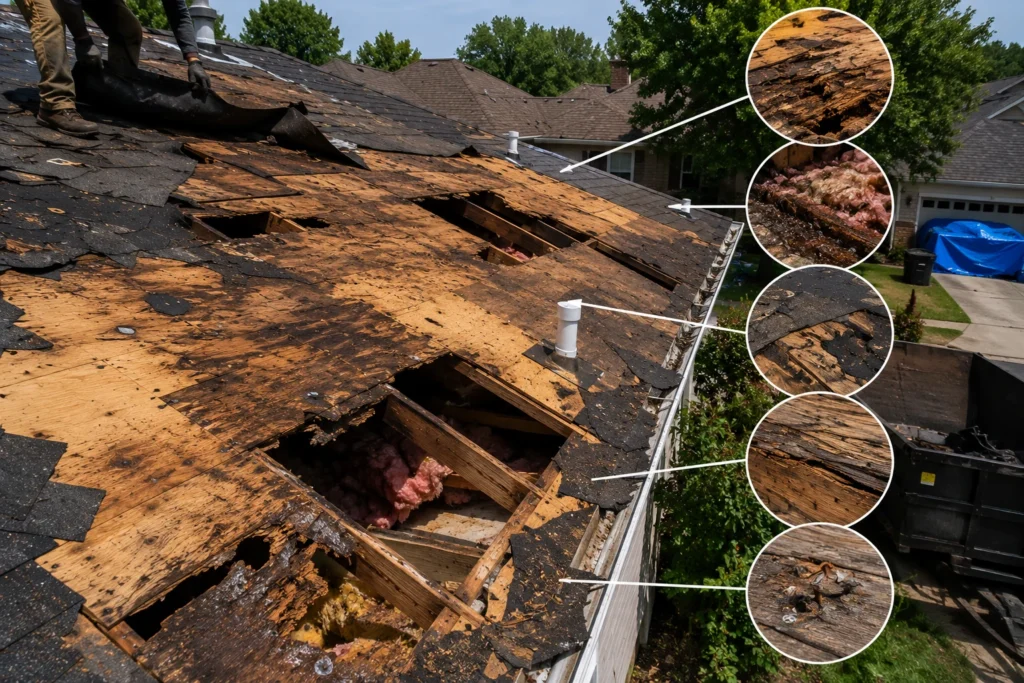
Some damage simply cannot be identified until the roof is removed. This is one of the biggest reasons supplements become necessary after repairs begin.
Common Hidden Damage Found During Tear-Off
| Hidden Damage | Why It Matters |
| Rotten decking | Structural weakness |
| Saturated wood | Mold and deterioration risk |
| Improper prior repairs | Installation failures |
| Delaminated decking | Reduced structural integrity |
| Fastener issues | Wind resistance concerns |
Once exposed, this damage must be documented quickly and properly. That documentation process matters enormously.
How Proper Supplement Documentation Works
Strong supplements rely on evidence.
Not opinions.
The best supplement packages usually include:
- Date-stamped photos
- Wide-angle roof images
- Close-up damage images
- Measurement reports
- Contractor notes
- Moisture readings
- Material invoices
- Code references
- Xactimate line-item breakdowns
Organization matters too. Scattered photos and vague descriptions weaken negotiations. Clear documentation strengthens them. I always recommend organizing claim evidence chronologically. It creates a cleaner presentation and reduces confusion during review.
Why Insurance Carriers Push Back on Supplements
Homeowners sometimes assume supplements automatically get approved. They do not. Carriers frequently review supplements aggressively because supplemental costs increase total claim payouts.
Common Carrier Pushback Areas
Repair vs Replacement Disputes
The carrier may argue partial repair is sufficient.
Matching Issues
Questions arise about whether replacement materials properly match existing materials.
Code Disagreements
Disputes over local code applicability are common.
Pricing Differences
Contractor pricing may exceed carrier pricing databases.
Scope Quantity Challenges
Material quantities and waste factors may differ. This is where detailed Xactimate estimating becomes critical. A vague supplement rarely performs well during negotiations. A detailed one often does.
The Importance of Line-Item Accuracy in Supplements
Generic estimating creates weak claims. Specificity creates strong claims.
For example, saying:
“Replace flashing”
is much weaker than properly itemizing:
- Step flashing
- Counter flashing
- Valley flashing
- Pipe jack flashing
- Chimney flashing
The same principle applies across the entire scope. Detailed line-item accuracy demonstrates professionalism and technical understanding. It also makes carrier review harder to dismiss.
Frequently Missed Xactimate Line Items
Here are some examples that frequently appear in supplements.
Roofing Labor and Safety
- Steep charges
- High charges
- Harness setup
- Ladder assist requirements
- Multi-story access
Material Components
- Starter shingles
- Ridge caps
- Ice and water barrier
- Drip edge
- Pipe boots
Job Site Operations
- Dumpster charges
- Haul-off fees
- Debris protection
- Magnetic nail sweep
- Equipment delivery
Interior Repair Components
- Texture blending
- Paint blending
- Insulation replacement
- Moisture remediation
Every omitted item affects the claim value. And sometimes significantly.
Why Local Experience Matters in Texas Hail Claims
Texas roofing claims are unique. Storm frequency, roofing styles, local codes, and carrier practices vary heavily across the state. Contractors and estimators familiar with Texas hail patterns often identify damage more effectively than those unfamiliar with regional conditions.
That local familiarity matters in Killeen. The area experiences severe hail activity regularly, which means many roofing systems have layered repair histories, aging materials, and prior storm exposure. Understanding those conditions helps estimators separate old wear from fresh storm damage accurately. That level of analysis strengthens supplements considerably.
How Public Adjusters Help Strengthen Supplements
Public adjusters often play a major role in complex hail claims. Especially disputed ones.
Their work typically includes:
- Reviewing carrier scopes
- Identifying omitted items
- Preparing supplemental estimates
- Organizing evidence
- Negotiating with carriers
- Documenting code requirements
The strongest public adjusters rely heavily on technical documentation rather than emotional arguments. That distinction matters. Insurance negotiations respond better to evidence than frustration.
The Most Important Documents for a Strong Supplement
Organization changes outcomes. I cannot emphasize that enough.
Essential Supplement Documentation Checklist
| Document | Purpose |
| Original insurance estimate | Baseline comparison |
| Contractor estimate | Scope comparison |
| Roof measurements | Quantity verification |
| Date-stamped photos | Damage evidence |
| Material invoices | Cost support |
| Code references | Compliance justification |
| Moisture readings | Hidden damage proof |
| Repair receipts | Expense tracking |
Without strong documentation, even legitimate supplements can stall.
Common Mistakes Homeowners Make During Supplements
Some mistakes unintentionally weaken otherwise valid claims.
Starting Repairs Too Quickly
Critical evidence sometimes disappears before proper documentation occurs.
Accepting the First Scope Immediately
Many homeowners assume the initial estimate is final. It often is not.
Using Contractors With Weak Documentation
Poor estimates hurt supplement approval rates.
Relying on Verbal Discussions Instead of Written Evidence
Documentation always matters more.
Missing Communication Records
Keep copies of:
- Emails
- Inspection reports
- Payment summaries
- Photos
- Carrier correspondence
Organization creates leverage.
The Supplement Process Step by Step
Understanding the process reduces confusion significantly.
Step 1: Initial Carrier Inspection
The adjuster inspects visible damage and prepares an initial estimate.
Step 2: Scope Review
The contractor or public adjuster reviews the estimate for missing items.
Step 3: Supplemental Estimate Preparation
Additional damage, code items, and omitted components are documented.
Step 4: Evidence Submission
Supporting documentation gets submitted to the carrier.
Step 5: Reinspection
The carrier may schedule another inspection.
Step 6: Negotiation
Scope differences get reviewed and discussed.
Step 7: Approval or Partial Approval
Some supplements receive full approval. Others receive partial approval.
Step 8: Repairs Continue
Once approved, repair work proceeds with updated funding.
That process may repeat multiple times if hidden damage continues appearing during repairs.
Why Supplements Protect Long-Term Property Value

This part gets overlooked constantly. Incomplete repairs can create long-term problems far more expensive than the original storm damage.
Poorly scoped repairs may lead to:
- Future leaks
- Ventilation problems
- Moisture buildup
- Premature roof failure
- Reduced resale value
Strong supplements help ensure full restoration instead of temporary patchwork. That difference matters years later.
Why Homeowners Should Learn Basic Xactimate Concepts
You do not need to become an estimator. But understanding basic estimating concepts helps homeowners ask better questions.
Learn to review:
- Material quantities
- Waste factors
- Line-item descriptions
- Code items
- Labor categories
Even a basic understanding improves communication during claims. It also helps identify obvious omissions earlier.
The Reality of Catastrophe Claim Volume
After major hailstorms, carriers process enormous numbers of claims quickly.
That creates pressure.
Fast inspections sometimes lead to:
- Incomplete measurements
- Missed accessories
- Generic scopes
- Minimal documentation
This does not guarantee intentional underpayment. But it absolutely increases the likelihood of supplements becoming necessary. That is simply the reality of catastrophe claim handling. Especially in active storm regions like Killeen.
How Technology Is Changing Supplement Accuracy
Modern estimating tools continue improving supplement quality. Drone imaging, satellite measurements, moisture detection equipment, and advanced roof reports all provide stronger documentation. But technology alone is not enough. Experience still matters.
The best supplement outcomes usually combine:
- Strong field inspections
- Accurate measurements
- Organized documentation
- Detailed Xactimate estimating
- Clear negotiation strategy
No single tool replaces expertise.
One overlooked factor in supplement disputes is communication timing. Delayed documentation can weaken otherwise valid claims because evidence becomes harder to verify as repairs progress. Experienced estimators often approach supplement reviews with almost epistemology level precision, carefully analyzing how evidence supports each individual line item before negotiations even begin.
Another important issue involves homeowners understanding What to Do If Your Hail Claim Was Denied after missing items or under-scoped damage create payment disputes. A denial does not always mean the damage is invalid. In many cases, additional documentation, supplemental estimates, code references, and detailed Xactimate line items can reopen discussions and strengthen negotiations substantially.
Why Detailed Supplements Create Better Claim Outcomes
The difference between an average hail claim and a properly documented hail claim usually comes down to detail. Small omissions add up quickly during roof restoration projects. One missing flashing item may seem minor at first. Then additional ventilation components get overlooked. Disposal costs are underpriced. Steep charges are removed. Interior texture blending gets ignored. Suddenly the homeowner faces thousands of dollars in uncovered costs that should have been included from the beginning. That is why experienced Xactimate estimating matters so much during supplements.
Strong supplements are not built on guesswork. They are built on measurements, documentation, photographs, code references, and detailed line-item accuracy. The goal is not to inflate claims. The goal is to restore the property correctly and completely. Homeowners across Texas continue facing more complex storm claims every year. Roofing systems are more advanced. Material costs fluctuate constantly. Carrier reviews are stricter. Thorough documentation has become essential. In areas like Killeen, where severe weather regularly impacts residential properties, understanding supplements gives homeowners a major advantage during the recovery process.
Final Thoughts
Understanding Hail Damage Claim Supplements: What Carriers Miss in Their Scope can dramatically change how homeowners approach storm claims. The first insurance estimate is not always complete. Important roofing components, safety charges, code upgrades, flashing systems, and hidden damage often get overlooked during initial inspections. That is why supplements remain such a critical part of the hail claim process.
Strong Xactimate expertise creates clarity. Detailed line items, accurate measurements, organized evidence, and technical documentation strengthen negotiations and improve repair accuracy. Homeowners who understand the supplement process usually make better decisions, avoid rushed settlements, and protect their properties more effectively. And in storm-prone Texas markets like Killeen, that knowledge becomes incredibly valuable. Because when hail damage repairs are handled correctly the first time, homeowners protect far more than shingles alone. They protect the long-term condition, safety, and value of the entire property.
FAQs
A hail damage claim supplement is an additional estimate submitted to include missed damage, pricing errors, or hidden repairs not listed in the original insurance scope.
Many inspections happen quickly after large storms, which can lead to overlooked roofing components, code items, or hidden structural damage.
Xactimate is insurance estimating software widely used by carriers, contractors, and public adjusters to calculate repair costs and line items.
Yes. Properly documented supplements can add legitimate repair costs that were originally omitted from the claim estimate.
Commonly missed items include flashing, ridge caps, starter shingles, drip edge, ventilation components, and steep roof labor charges.
They can temporarily slow repairs if additional inspections are needed, but they often prevent underpaid or incomplete restoration work later.
Yes. Rotten decking, moisture damage, and improper prior repairs are often discovered only after roofing materials are removed.
Absolutely. Reviewing measurements, line items, and missing components helps identify potential under-scoping issues early.
Gather additional documentation, photos, contractor reports, and supplemental estimates before requesting reconsideration or further review.
Texas storms create unique roofing damage patterns, and local professionals often understand regional pricing, codes, and carrier practices better.