
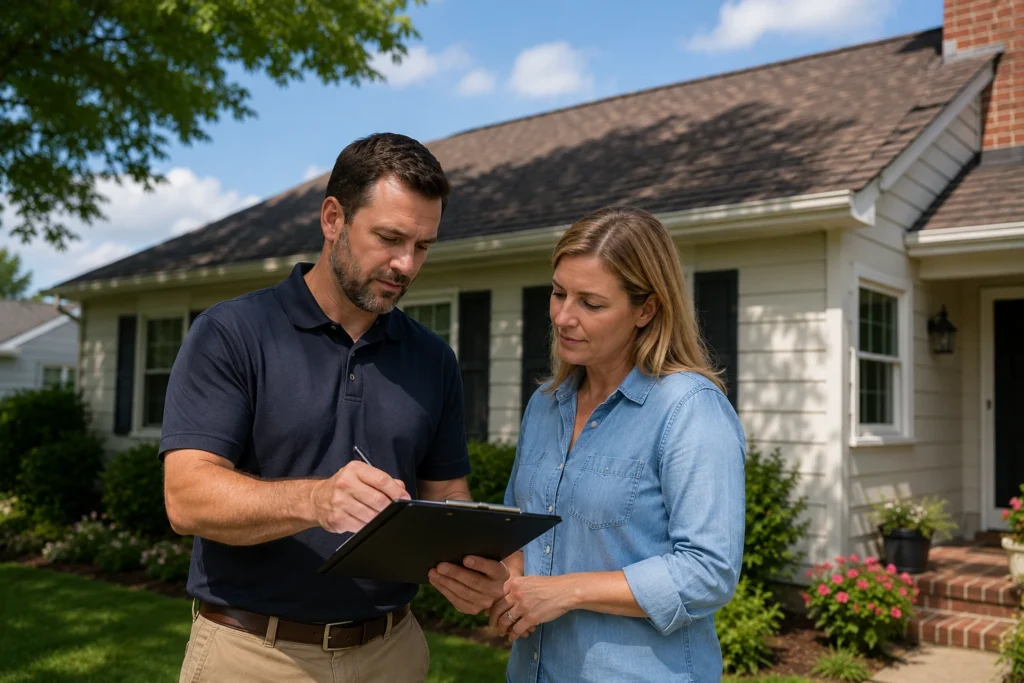
Hailstorms in Texas create chaos fast. One afternoon your roof looks perfectly fine. A few hours later, shingles are bruised, gutters are dented, water starts appearing near the ceiling, and suddenly you are deep inside the insurance claim process. That is exactly why understanding Public Adjuster vs. Insurance Adjuster for Hail Claims in Killeen, TX matters so much. Most homeowners have never handled a large property claim before. They assume the process will be simple. File the claim. Meet the adjuster. Receive payment. Repair the roof. Done.
Sometimes it works that way. A lot of times, it does not. I have seen homeowners become overwhelmed by conflicting opinions, incomplete scopes, delayed supplements, confusing depreciation language, and disputes over whether the roof should be repaired or replaced. That confusion usually starts with one major issue: people do not fully understand who is actually representing them during the claim. And that distinction matters more than most homeowners realize. In this guide, we are going deep into the differences between insurance adjusters and public adjusters, how each operates during Texas hail claims, when each may help, when additional representation may become necessary, and how homeowners in Killeen can make smarter claim decisions after severe storms.
Why Texas Hail Claims Become Complicated
Texas is one of the most active hail states in America. Large storms can damage thousands of homes in a single afternoon. After major events, carriers suddenly face enormous claim volume. That creates pressure everywhere. Inspectors move quickly. Contractors flood neighborhoods. Homeowners panic. Timelines shrink. Under those conditions, mistakes happen. Some are small. Others become extremely expensive later.
Common problems include:
- Missing roof accessories
- Incomplete measurements
- Overlooked interior moisture
- Underestimated material quantities
- Improper repair recommendations
- Ventilation omissions
- Code-related disagreements
- Delayed supplement approvals
Many homeowners assume every claim dispute automatically means bad faith or intentional underpayment. Not necessarily. Sometimes the claim simply moved too fast. That distinction is important.
Understanding the Insurance Adjuster
An insurance adjuster works for the insurance company. Their role is to evaluate the damage, inspect the property, interpret policy coverage, and create an estimate based on the carrier’s guidelines. That sounds straightforward. And honestly, many adjusters work extremely hard. Especially during catastrophe season.
There are several types of insurance adjusters involved in hail claims:
| Type of Adjuster | Role |
| Staff Adjuster | Direct employee of the carrier |
| Independent Adjuster | Third-party adjuster contracted by carriers |
| Catastrophe Adjuster | Deployed rapidly after major storms |
After severe hailstorms in Killeen, catastrophe adjusters often arrive from other regions. They may inspect multiple homes per day across several neighborhoods. That volume matters. When inspections happen rapidly, smaller details sometimes get missed. Not always intentionally. But realistically.
What Insurance Adjusters Typically Handle
Insurance adjusters usually manage:
- Initial inspections
- Damage documentation
- Scope preparation
- Estimate generation
- Claim evaluation
- Settlement recommendations
- Supplement review
They are responsible for moving the claim forward. And to be fair, many claims resolve properly through this process alone. But not all of them.
The Strengths of Insurance Adjusters
Homeowners sometimes assume insurance adjusters are automatically adversarial. That is overly simplistic. Good adjusters bring real value to the process.
Strong insurance adjusters often provide:
- Fast claim activation
- Immediate inspection scheduling
- Initial repair funding
- Coverage clarification
- Organized estimate formatting
- Communication with contractors
In straightforward claims, the process may move efficiently from start to finish without major conflict.
Minor hail claims especially tend to resolve smoothly when:
- Damage is obvious
- Scope is simple
- Interior damage is limited
- Replacement is clearly warranted
- Documentation is strong
In those situations, additional representation may not even be necessary. That is important to acknowledge.
Common Complaints Homeowners Have About Insurance Adjusters
Now the other side.
After large storms, homeowners often complain about:
- Short inspections
- Limited attic review
- Missing accessories
- Generic scopes
- Poor communication
- Slow supplement approvals
- Minimal explanation of depreciation
Sometimes homeowners feel rushed during the inspection itself. A roof inspection that lasts fifteen minutes may not inspire confidence when thousands of dollars are involved. Again, context matters. Large catastrophe events force adjusters to manage extremely high workloads. But homeowners still deserve thorough evaluations. That tension creates many claim disputes.
What Is a Public Adjuster?
Now let us talk about public adjusters. A public adjuster is a licensed professional who represents the policyholder rather than the insurance company. Their role focuses on documenting, preparing, and negotiating the claim on behalf of the homeowner. That changes the dynamic significantly. Instead of evaluating the loss from the carrier side, the public adjuster advocates for the insured.
Public adjusters often become involved when:
- Claims are underpaid
- Damage was missed
- Denials occur
- Supplements become disputed
- Large losses develop
- Complex commercial claims arise
In many cases, homeowners contact a public adjuster only after the claim process begins breaking down.
What Public Adjusters Actually Do
Good public adjusters spend substantial time documenting damage.
That includes:
- Roof inspections
- Interior moisture documentation
- Photograph organization
- Scope preparation
- Estimate review
- Policy analysis
- Supplement creation
- Negotiation support
The documentation side becomes extremely important. Because hail claims often become evidence-driven disputes. The stronger the documentation, the stronger the claim position usually becomes.
Public Adjusters Often Focus Heavily on Supplements
Supplements are one of the biggest battlegrounds in Texas hail claims. A supplement simply means additional claim items were discovered or added after the original estimate.
That may include:
- Additional roofing layers
- Flashing replacement
- Interior moisture
- Code upgrades
- Ventilation corrections
- Detached accessories
- Gutter components
- Paint matching
Supplements are incredibly common after hailstorms. Especially when initial inspections move quickly. One of the biggest frustrations homeowners experience during storm recovery involves supplements. Many policyholders assume the original estimate already includes every necessary repair item, only to later discover major omissions during reconstruction. That is why understanding Hail Damage Claim Supplements: What Carriers Miss in Their Scope becomes incredibly important during large Texas hail claims. Missing flashing, detached accessories, ventilation corrections, code upgrades, and hidden moisture damage are some of the most common supplement items discovered after repairs begin.
Public Adjuster vs. Insurance Adjuster for Hail Claims in Killeen, TX
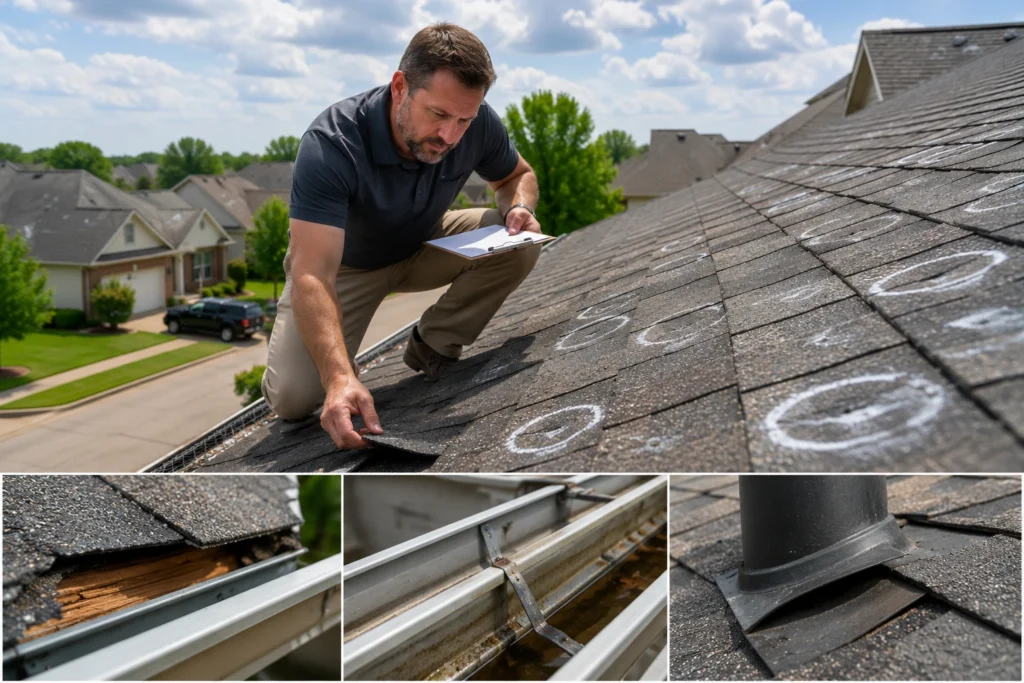
Now we get to the core comparison. The biggest difference is representation. Insurance adjusters work for the carrier. Public adjusters work for the policyholder. Everything else flows from that distinction. Here is a simple side-by-side comparison.
| Category | Insurance Adjuster | Public Adjuster |
| Represents | Insurance company | Homeowner |
| Primary Goal | Evaluate claim for carrier | Maximize documented recovery |
| Paid By | Insurance carrier | Usually contingency fee |
| Inspection Style | Often fast-paced | Usually more detailed |
| Scope Development | Carrier-focused | Policyholder-focused |
| Supplement Handling | Reviews supplements | Creates supplements |
| Negotiation Role | Carrier-side evaluator | Policyholder advocate |
| Time Per Claim | Often limited after storms | Usually more extensive |
That does not automatically make one “good” and the other “bad.” But their priorities differ. And homeowners need to understand that clearly.
Why Inspection Detail Matters So Much
Roofing claims are detail-heavy. Very detail-heavy. Small omissions become expensive quickly.
For example:
A missing drip edge line item may affect code compliance. A missed detached gutter run may create future drainage issues. An overlooked soft metal component may indicate broader impact severity.
These details influence repair quality later. That is why thorough inspections matter. Public adjusters often spend more time onsite because their workload structure differs from catastrophe adjusters handling massive storm volume.
That additional inspection time may lead to:
- Expanded documentation
- More photographs
- Better measurements
- More detailed supplement requests
- Identification of hidden damage
Again, not every claim requires that level of escalation. But some absolutely do.
When an Insurance Adjuster May Be Enough
Not every homeowner needs a public adjuster. That is worth saying clearly. Some claims progress normally and fairly.
An insurance adjuster alone may be sufficient when:
- Damage is straightforward
- Carrier communication is strong
- Scope appears accurate
- Supplements are approved promptly
- Repairs are simple
- Documentation is complete
Homeowners should monitor the process carefully before assuming problems exist.
Look for signs the claim is moving properly:
- Clear explanations
- Detailed estimates
- Responsive communication
- Reasonable timelines
- Accurate measurements
- Consistent updates
If the process feels transparent and organized, escalation may not be necessary.
When a Public Adjuster May Be Worth Considering
Some situations become far more complicated. That is where public adjusters often enter the process. Common examples include:
Denied Claims
Sometimes carriers determine hail damage is cosmetic, pre-existing, or insufficient for replacement. Homeowners may strongly disagree.
Underpaid Claims
The estimate may omit major roofing components or undervalue labor and materials.
Large Commercial Losses
Commercial roofing systems create complicated scope and pricing issues.
Interior Moisture Disputes
Water intrusion often expands over time. Early documentation becomes critical.
Multiple Supplement Cycles
Some claims require repeated revisions before repairs can proceed correctly.
Appraisal Situations
Large disagreements sometimes move into appraisal. That process deserves its own section.
Understanding the Texas Appraisal Process
Appraisal resolves disputes over the amount of loss. It does not determine coverage itself.
During appraisal:
- The homeowner selects an appraiser
- The carrier selects an appraiser
- An umpire may become involved
- Disputed pricing and scope issues get reviewed
This process became increasingly common in Texas hail litigation over the past decade. Especially after repeated storm seasons created enormous claim volume. Appraisal can become highly technical.
Documentation matters tremendously here. So do measurements, photographs, code interpretation, and estimating accuracy. Public adjusters sometimes assist homeowners before appraisal or during pre-appraisal preparation.
The Role of Roofing Contractors
Roofing contractors also play a huge role in hail claims. And this is where homeowners sometimes get confused. Contractors inspect roofs, identify damage, prepare repair estimates, and communicate repair needs. But contractors are not automatically public adjusters.
That distinction matters legally in Texas. A contractor may document damage and discuss repairs. However, unlicensed claim negotiation creates legal concerns. Homeowners should understand who is handling which part of the claim. That clarity reduces confusion later.
Why Supplements Become So Important
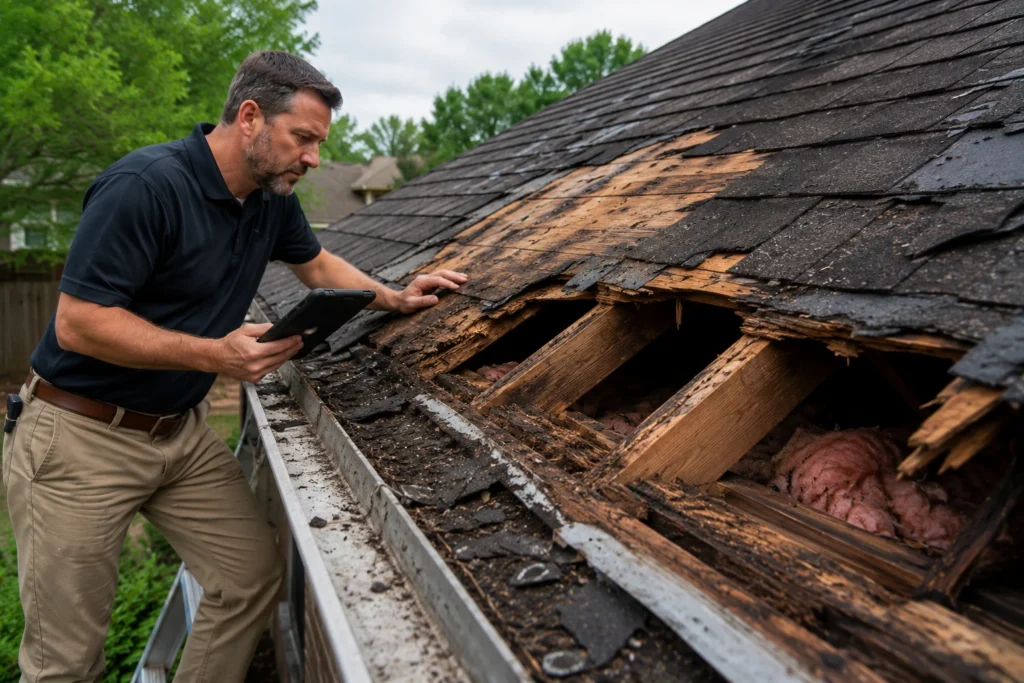
Supplements are normal in roofing claims. Completely normal. Many homeowners panic when they hear the word. They should not. Supplements often occur because additional conditions appear during repairs.
Examples include:
- Rotten decking
- Hidden moisture
- Improper prior installations
- Ventilation deficiencies
- Additional flashing damage
- Material availability changes
Large hail losses frequently evolve after work begins. That is why experienced documentation becomes so important from the beginning. Insurance disputes often become highly technical after major storms. In some situations, the discussion moves beyond basic roof damage and into deeper estimating analysis involving pricing databases, material matching, ventilation requirements, and structural considerations. Some professionals even compare the complexity of large commercial claim documentation to concepts found in phenomenology, where interpretation and perspective heavily influence conclusions. That may sound extreme, but experienced adjusters understand how differently the same damage can sometimes be evaluated depending on documentation quality and inspection detail.
Common Mistakes Homeowners Make During Hail Claims
I see the same mistakes repeatedly. And honestly, many are preventable.
Waiting Too Long to Document Damage
Take photographs immediately after storms when safely possible.
Throwing Away Damaged Materials
Preserve samples when appropriate.
Relying Only on Verbal Conversations
Always save written communication.
Assuming the First Estimate Is Final
Initial scopes often change.
Hiring the First Contractor Who Knocks
Storm-chasing sales pressure creates problems.
Ignoring Interior Moisture
Water damage expands quietly.
Missing Deadlines
Policy timelines matter.
Questions Homeowners Should Ask Insurance Adjusters
Homeowners should ask direct, professional questions. That improves clarity for everyone.
Good questions include:
- Were all roof slopes inspected?
- Was attic moisture checked?
- Are code upgrades included?
- What is depreciated?
- Can supplements be submitted later?
- Were accessories included?
- How were measurements created?
Do not approach these conversations emotionally. Stay factual. Organized homeowners usually navigate claims more effectively.
Questions Homeowners Should Ask Public Adjusters
If considering representation, ask detailed questions.
Licensing
Are they licensed in Texas?
Hail Experience
Do they specifically handle Texas hail claims?
Fee Structure
What percentage structure applies?
Communication
How often will updates occur?
Documentation Process
How extensive is the inspection?
Appraisal Experience
Have they handled disputed hail appraisals? These conversations matter. Not all public adjusters operate the same way.
Real-World Hail Claim Scenarios
Scenario One: Smooth Residential Claim
A homeowner experiences obvious hail impact damage. The insurance adjuster performs a thorough inspection. The roof replacement gets approved quickly. Minimal supplements arise. Repairs proceed normally. In this case, additional representation may never become necessary.
Scenario Two: Underpaid Roof Scope
Another homeowner receives an estimate missing flashing, ventilation, gutters, and detached accessories. The contractor identifies omissions. Supplements become necessary. Negotiations continue for weeks. This is where public adjuster involvement sometimes increases.
Scenario Three: Commercial Roofing Dispute
A commercial building experiences widespread hail damage across multiple roof sections. Pricing disagreements become severe. Repair methodology gets disputed. Appraisal begins. This type of claim often becomes highly technical.
Technology Is Changing Hail Claims
Modern claims involve far more technology now.
That includes:
- Drone inspections
- Satellite measurements
- Moisture detection tools
- Digital photo reporting
- Xactimate estimating software
- AI-assisted claim review
Technology improves efficiency. But technology alone does not solve claim disputes. Human judgment still matters enormously. Experience still matters. Documentation still matters.
Why Organized Documentation Changes Outcomes
This may be the most important section in the entire article. The strongest claims are not usually the loudest claims. They are the best documented claims.
That means:
- Clear photographs
- Accurate timelines
- Organized files
- Consistent communication
- Detailed estimates
- Professional reports
Strong documentation improves:
- Supplement approvals
- Negotiation efficiency
- Appraisal preparation
- Repair coordination
- Claim clarity
And perhaps most importantly, it helps homeowners feel more in control during stressful situations. Because hail claims are stressful. Especially after major Texas storms.
Practical Tips for Homeowners in Killeen
Here are practical steps homeowners can take immediately after hailstorms.
| Action | Why It Matters |
| Photograph all elevations | Creates early evidence |
| Save repair receipts | Supports reimbursement |
| Review the estimate carefully | Identifies omissions |
| Keep communication organized | Reduces confusion |
| Document interior staining | Supports moisture claims |
| Ask questions early | Prevents delays |
| Track supplements carefully | Helps claim accuracy |
Simple organization creates enormous advantages later.
Final Thoughts
There is no universal answer in the debate over Public Adjuster vs. Insurance Adjuster for Hail Claims in Killeen, TX. Some claims move smoothly with the carrier alone. Others become complicated quickly. What matters most is understanding the process before major disagreements develop. Insurance adjusters play an essential role in the claim system. Many work hard under intense storm pressure. Public adjusters, meanwhile, provide advocacy and deeper claim support when disputes or complexities arise.
The key is recognizing when the claim is progressing normally and when it may require additional attention. And throughout the entire process, one thing consistently matters more than almost anything else: Documentation. Strong documentation protects homeowners. It strengthens negotiations. It improves supplement accuracy. And it creates clarity during one of the most stressful situations property owners face after severe storms in Killeen. The better prepared homeowners are before the next hailstorm arrives, the smoother the recovery process usually becomes.
FAQs
An insurance adjuster works for the insurance company, while a public adjuster represents the policyholder during the claim process.
It depends on the complexity of the claim. Large losses, denied claims, or underpaid estimates may benefit from additional representation.
Public adjusters focus on detailed documentation and supplements, which may help uncover overlooked damages and missing scope items.
Yes. Claims may be denied due to coverage limitations, lack of storm-related damage, or disputes over repair necessity.
Supplements are additional repair items added after the original estimate when hidden damage or missing components are discovered.
Simple claims may resolve within weeks, while disputed or supplement-heavy claims can take several months.
Contractors can discuss repairs and provide estimates, but unlicensed claim negotiation may create legal issues in Texas.
Take photos of roof damage, gutters, siding, windows, interior leaks, and keep all repair receipts and communication records.
Both sides select appraisers to evaluate the disputed amount of loss, and an umpire may help resolve disagreements if necessary.
No. Many disputes happen because of rushed inspections, incomplete documentation, or differing repair opinions after large storms.