
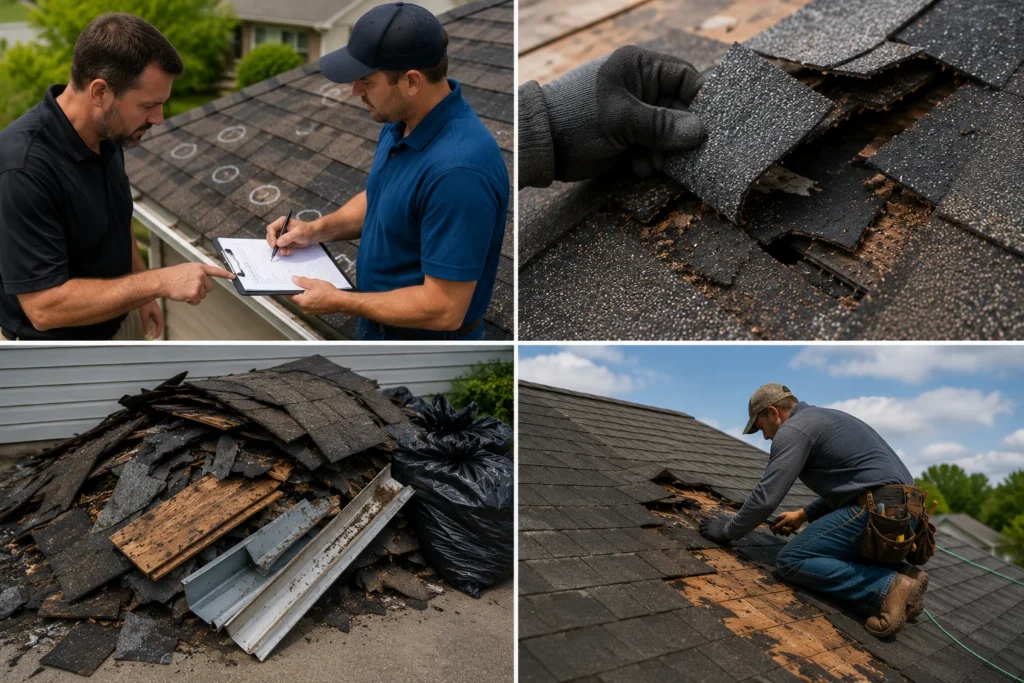
Texas storms are unpredictable. One afternoon the sky looks calm. A few hours later, hailstones are hammering rooftops, shredding shingles, denting gutters, and leaving homeowners staring at expensive damage they never expected. That is exactly why understanding a proper roof hail damage insurance claim Texas process matters so much. Here is the problem though. Many homeowners do not realize hail damage can remain hidden for weeks or even months. A roof may appear fine from the driveway while the protective layers underneath have already been compromised. Then suddenly, leaks appear. Stains spread across ceilings. Moisture enters the attic. Repair costs climb fast.
I have seen homeowners delay inspections because they assumed “the roof survived.” Unfortunately, insurance carriers often become more skeptical as time passes. The longer the delay, the harder it may become to prove the storm caused the damage. That is why fast action matters. This guide breaks down everything homeowners need to know about filing a successful hail damage on roof insurance claim, protecting their roofing system, documenting damage properly, understanding supplements, and avoiding common claim mistakes. If you want the most complete resource available on hail roof claims in Texas, this is it.
Why Hail Damage Creates Bigger Problems Than Most Homeowners Expect
Hail damage is rarely just cosmetic. A single storm can weaken shingles, expose underlayment, damage flashing, loosen fasteners, crack tile systems, and shorten the life expectancy of an entire roof. The scary part? Some of the most expensive damage starts small. Tiny impact points eventually become water intrusion points.
That is how minor-looking hail damage turns into:
- Roof leaks
- Mold growth
- Rotting roof decking
- Damaged insulation
- Interior ceiling stains
- Structural deterioration
Texas homeowners face an even greater risk because roofs already endure intense UV exposure and extreme temperature swings. Roofing systems expand and contract constantly. Then hailstorms strike weakened materials at high speed. That combination creates serious vulnerability. Repeated storm exposure can gradually weaken roofing systems through a process similar to material fatigue, where repeated stress slowly reduces structural durability over time. For homeowners in Killeen and throughout Texas, understanding the long-term effects of hail damage is essential when handling a roof hail damage insurance claim Texas process.
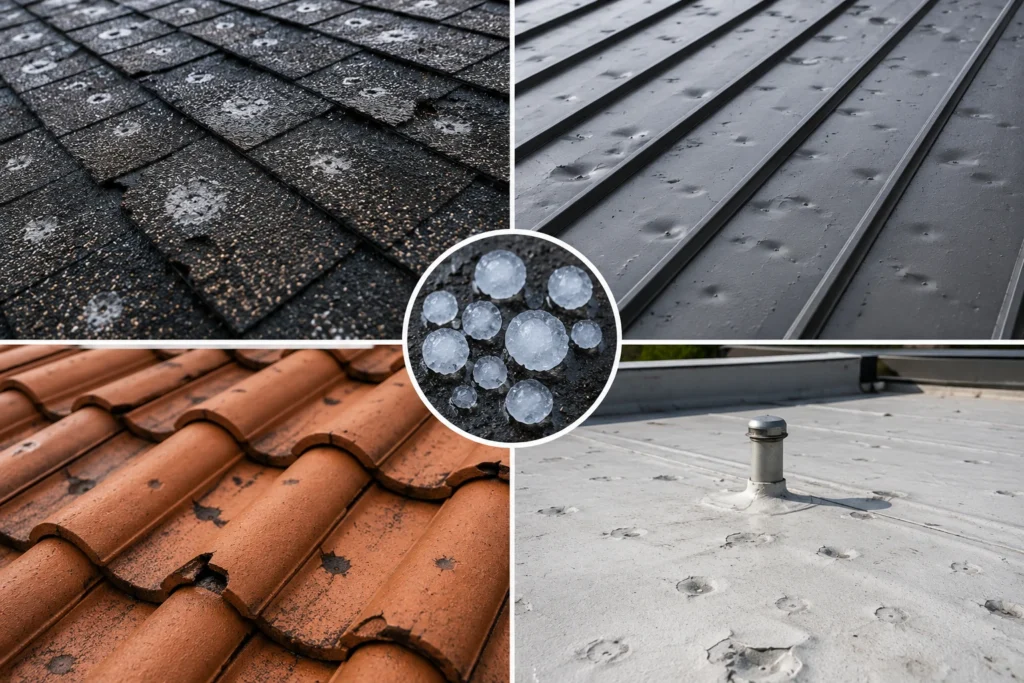
How Hail Impacts Different Roofing Materials
Not every roof reacts to hail the same way. That matters because insurance adjusters evaluate roofing systems differently depending on the material. Understanding how your specific roof type responds to hail can strengthen your claim tremendously.
Asphalt Shingle Roof Hail Damage
Asphalt shingles are among the most common roofing materials involved in a hail roof damage insurance claim. They are also one of the easiest roofing systems to misjudge.
Common Signs of Asphalt Shingle Damage
Look for:
- Circular bruising
- Missing granules
- Cracked shingles
- Soft impact spots
- Exposed fiberglass matting
- Broken seal strips
Granule loss is especially important. Those granules protect shingles from ultraviolet exposure. Once hail removes them, the roof begins aging much faster. Homeowners often mistake granule accumulation in gutters as “normal wear.” Sometimes it is not.
Why Bruising Matters
Bruised shingles may not leak immediately. But the damage weakens the waterproof barrier and increases the chance of future cracking. That delayed deterioration creates major issues later during a hail damage on roof insurance claim because carriers may argue the roof simply “aged naturally.”
Metal Roof Hail Damage
Metal roofs are durable. But durable does not mean damage-proof.
Common Metal Roof Issues After Hailstorms
Inspect for:
- Dented panels
- Separated seams
- Fastener displacement
- Coating fractures
- Water-channel distortion
Insurance carriers frequently categorize dents as cosmetic damage. However, cosmetic damage can still reduce property value and compromise protective coatings. Functional damage may also develop later if seams or drainage pathways become distorted.
Functional vs Cosmetic Damage
This becomes one of the biggest disputes in metal roof claims. Functional damage affects performance.
Examples include:
- Leaks
- Fastener failure
- Water retention
- Structural weakness
Cosmetic damage affects appearance but not immediate functionality. Even so, some cosmetic damage may still justify repairs depending on policy language and roof type.
Tile Roof Hail Damage
Tile roofs create complicated claim situations because damage is often hidden beneath the surface.
Common Tile Roof Damage
Inspectors look for:
- Hairline fractures
- Corner cracking
- Broken mortar
- Dislodged tiles
- Underlayment exposure
Walking tile roofs incorrectly can create additional breakage, which is why proper inspections matter.
Why Tile Roof Claims Become Complicated
Tile systems are fragile and expensive.
Replacement challenges may include:
- Matching discontinued tiles
- Finding compatible materials
- Preserving underlayment integrity
- Code upgrade compliance
These complications frequently increase supplemental claim activity during a roof hail damage insurance claim Texas process.
Roofing Components Insurance Companies Often Overlook
Roof claims involve more than shingles or panels. A complete roofing system includes multiple vulnerable components.
Frequently Missed Components
Insurance scopes sometimes overlook:
- Ridge vents
- Flashing
- Pipe boots
- Drip edge
- Valley liners
- Chimney caps
- Skylight seals
- Gutters and downspouts
Missing these items can dramatically reduce repair quality.
Collateral Damage Matters Too
Hail often damages surrounding property areas including:
- Window screens
- Garage doors
- HVAC fins
- Exterior siding
- Fencing
- Patio covers
Collateral impacts help support storm causation evidence during a hail roof damage insurance claim.
Immediate Steps to Take After a Hailstorm
The hours immediately after a storm are critical. Do not wait.
Prioritize Safety First
Avoid climbing onto the roof immediately after severe weather.
Instead:
- Stay grounded
- Check for active leaks
- Watch for electrical hazards
- Inspect ceilings indoors
- Use binoculars for visual checks
Wet roofs become extremely dangerous after storms.
Photograph Everything
Your phone becomes your best evidence tool.
Take pictures of:
- Roof impacts visible from the ground
- Broken gutters
- Dented vents
- Water stains
- Fallen tree limbs
- Damaged siding
- Interior moisture spots
Take both close-up and wide-angle photos.
Mitigate Further Damage
Insurance policies usually require homeowners to prevent worsening damage.
Temporary mitigation may include:
- Roof tarping
- Water removal
- Covering exposed belongings
- Emergency leak containment
Save every receipt connected to temporary repairs. Seriously. Every receipt matters.
How to Document Damage Properly
Strong documentation changes claim outcomes. Organized homeowners usually perform better during claim negotiations because evidence creates leverage. One of the most important parts of a successful roofing claim is understanding How to Document Hail Damage for an Insurance Claim properly. Homeowners should take wide-angle photos, close-up impact images, interior leak pictures, and save every inspection report, invoice, and communication related to the storm. Strong documentation creates stronger negotiating leverage during disputes with the insurance carrier.
Build a Detailed Claim File
Your claim file should include:
| Documentation Item | Why It Matters |
| Roof photos | Establishes damage evidence |
| Inspection reports | Supports repair scope |
| Weather reports | Verifies storm activity |
| Repair invoices | Tracks mitigation costs |
| Emails and texts | Creates communication record |
| Contractor estimates | Supports pricing disputes |
The stronger the documentation, the stronger the roof hail damage insurance claim Texas process becomes.
Create a Timeline
A clear timeline improves credibility.
Track:
- Storm date
- Inspection dates
- Insurance calls
- Contractor visits
- Temporary repairs
- Supplemental discoveries
Insurance disputes often revolve around timing. Organized timelines help eliminate confusion.
Use Weather Verification Reports
Weather data can become powerful supporting evidence.
Useful sources include:
- NOAA reports
- Local storm tracking services
- Radar archives
- Hail mapping tools
These reports help confirm storm intensity and timing in Killeen and surrounding areas.
Understanding the Insurance Claim Process
Many homeowners expect a quick payout after filing. Reality is often different. Roofing claims involve inspections, scope reviews, pricing disputes, depreciation calculations, and supplemental negotiations.
Filing the Initial Claim
When contacting your carrier, provide:
- Date of loss
- Description of damage
- Leak information
- Temporary repair details
- Photos if available
Stay professional and organized. Emotional frustration is understandable, but detailed documentation remains more effective than anger during claim discussions.
The Insurance Inspection Process
Adjusters inspect roofing systems differently depending on:
- Roof type
- Storm severity
- Policy language
- Visible evidence
- Prior roof condition
Some inspections are thorough. Others are rushed.
That inconsistency creates huge differences in claim outcomes.
Actual Cash Value vs Replacement Cost Value
Homeowners should understand how payment structures work.
Actual Cash Value (ACV)
ACV includes depreciation deductions based on roof age and condition.
Replacement Cost Value (RCV)
RCV policies reimburse full replacement costs once repairs are completed according to policy terms. Understanding the difference matters tremendously during a hail damage on roof insurance claim process.
What Insurance Carriers Commonly Miss
This is where many homeowners lose money. Insurance estimates frequently omit required roofing components or underestimate repair complexity. Many homeowners become frustrated after receiving partial approvals or outright denials from their insurance company. Understanding What to Do If Your Hail Claim Was Denied in Killeen, TX can make a major difference in the outcome of the case. Denials do not always mean the damage is invalid. In many situations, additional inspections, better documentation, engineering reports, or supplemental evidence can reopen discussions and strengthen the claim.
Common Scope Omissions
Carriers sometimes miss:
- Starter shingles
- Flashing replacement
- Ridge caps
- Ventilation systems
- Ice and water shield
- Waste material calculations
Small omissions become large financial gaps during repairs.
Interior Damage Is Frequently Undervalued
Roof claims often extend beyond roofing materials.
Hidden moisture may affect:
- Insulation
- Drywall
- Flooring
- Framing
- Paint systems
If water enters the structure, repairs can expand quickly.
Code Compliance Problems
Local building code requirements create another major dispute area.
Insurance scopes may initially ignore:
- Ventilation upgrades
- Underlayment requirements
- Deck attachment standards
- Flashing updates
Those issues frequently become part of supplemental claim negotiations later.
Understanding the Supplement Process
Supplements are incredibly common in roofing claims. And no, supplements are not fraudulent by default. A supplement simply means additional damage or required repairs were discovered after the original estimate. Roofing claims frequently expand after contractors begin repair work because hidden damage is discovered beneath the surface materials. This is why Hail Damage Claim Supplements: What Carriers Miss in Their Scope has become such an important topic for Texas homeowners dealing with severe storm losses. Items like damaged decking, flashing systems, ventilation components, and underlayment are commonly overlooked during initial inspections.
Why Supplements Happen
Roofing systems contain multiple hidden layers. Additional damage often appears during tear-off.
Common examples include:
- Rotten decking
- Hidden moisture damage
- Ventilation deficiencies
- Structural deterioration
- Underlayment failure
What Makes a Strong Supplement
Successful supplements rely on evidence. Not assumptions.
Strong supplement packages usually include:
- Updated photographs
- Contractor reports
- Material invoices
- Code documentation
- Expanded repair estimates
Detailed evidence creates stronger negotiating leverage.
Timing Is Critical
Delaying supplemental documentation can weaken approval chances. Keep communication active during repairs. Document discoveries immediately.
Why Public Adjusters Change Claim Outcomes
This is where claims become highly technical. Public adjusters represent policyholders, not insurance companies. That difference matters enormously. One of the biggest misunderstandings homeowners face involves the difference between policyholder representation and carrier representation. The discussion around Public Adjuster vs. Insurance Adjuster for Hail Claims in Killeen, TX becomes especially important when disputes arise over roof replacement, supplemental damage, or underpaid estimates. Insurance adjusters work for the carrier, while public adjusters advocate for the homeowner during the claim process.
What Public Adjusters Actually Do
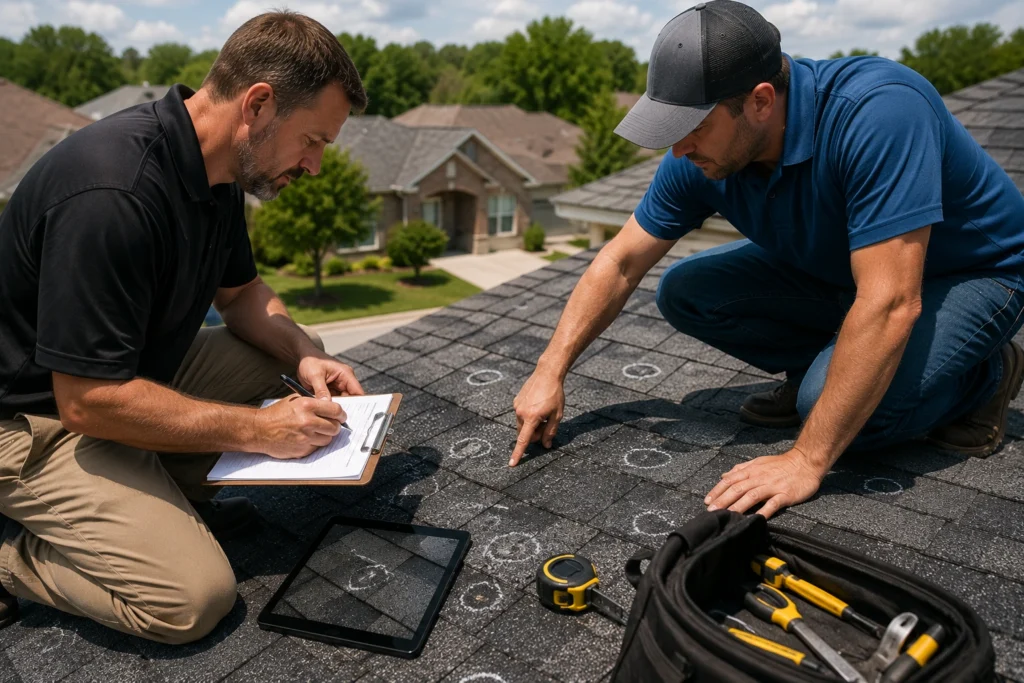
Public adjusters help homeowners by:
- Reviewing insurance policies
- Documenting damage
- Building repair scopes
- Negotiating supplements
- Evaluating carrier estimates
- Tracking overlooked damage
The goal is accurate restoration. Not inflated claims.
Roofing Claims Require Technical Knowledge
Modern roofing claims involve:
- Building code interpretation
- Estimating software
- Material pricing
- Roofing system expertise
- Supplemental documentation
- Causation analysis
That level of technical detail often overwhelms homeowners trying to handle large claims alone.
Situations Where Public Adjusters Become Especially Valuable
Professional representation may help significantly when:
- Claims are denied
- Roof replacement is disputed
- Underpayments occur
- Large losses exist
- Commercial roofing systems are involved
- Supplements become extensive
Many homeowners in Killeen seek professional claim support because severe weather losses have become increasingly complex.
Common Mistakes That Hurt Roofing Claims
Some homeowner mistakes seriously weaken claims. Others create long-term repair headaches.
Waiting Too Long to File
Delays create problems.
Insurance carriers may argue:
- Damage predated the storm
- Roof deterioration caused issues
- Maintenance failures contributed
Fast inspections help preserve storm evidence.
Accepting the First Estimate Too Quickly
Initial estimates are not always complete. Review line items carefully. Ask questions. Verify roofing measurements. Compare contractor scopes against carrier scopes.
Using Inexperienced Contractors
Not every contractor understands insurance restoration work. That matters. Poor documentation from inexperienced contractors can weaken supplement negotiations significantly.
Throwing Away Damaged Materials
Do not dispose of damaged roofing components too early. Those materials may become important evidence during disputes or re-inspections.
How to Protect Your Roof Before the Next Storm
Prevention still matters. A well-maintained roofing system performs better during severe weather events.
Smart Preventative Strategies
Consider:
- Annual roof inspections
- Gutter cleaning
- Flashing maintenance
- Tree trimming
- Ventilation improvements
- Impact-resistant materials
Small maintenance issues become major repair expenses later if ignored.
Impact-Resistant Roofing Systems
Some homeowners upgrade to impact-resistant shingles after major storms.
Benefits may include:
- Improved hail resistance
- Longer roof lifespan
- Potential insurance discounts
- Better wind performance
Not every roof qualifies for discounts, but it is worth discussing with your carrier.
Keep Digital Maintenance Records
Create a cloud-based property folder containing:
- Roof warranties
- Inspection reports
- Repair invoices
- Storm photographs
- Contractor documentation
This organization becomes incredibly valuable during future roof hail damage insurance claim Texas situations.
Final Thoughts
Hailstorms create more than roof damage. They create financial pressure, stressful insurance negotiations, and major uncertainty for homeowners trying to protect their property. The strongest roofing claims are rarely the loudest claims. They are the best documented claims. Understanding how hail affects different roofing materials, documenting damage quickly, reviewing insurance scopes carefully, and tracking supplements thoroughly can dramatically improve claim outcomes.
And perhaps most importantly, never assume the first inspection tells the whole story. A complete roof hail damage insurance claim Texas strategy requires careful evidence gathering, organized communication, detailed inspections, and a strong understanding of how roofing systems actually function after severe storm impacts. That preparation protects your roof. It protects your investment. And ultimately, it protects your ability to recover fully after destructive Texas hailstorms.
FAQs
Most insurance policies require prompt reporting, so homeowners should file as soon as possible after discovering damage.
Yes. Small impact damage can weaken roofing materials and eventually allow water intrusion over time.
Take pictures of roof damage, gutters, siding, window screens, interior leaks, and any visible storm impacts around the property.
It depends on the severity of the damage, policy coverage, and whether repairs can restore the roof properly.
Claims may be denied because of delayed reporting, insufficient documentation, wear-and-tear arguments, or disputed storm causation.
A supplement is an additional request for coverage after hidden damage or overlooked repairs are discovered during restoration work.
Yes, although carriers sometimes dispute whether the damage is cosmetic or functional.
Many homeowners schedule a professional inspection first to better understand the extent of the damage before filing a claim.
Absolutely. Even smaller hailstones can bruise shingles, remove granules, and weaken waterproofing layers.
Public adjusters help document damage, review estimates, negotiate supplements, and advocate for the policyholder during disputes.